

08 Jun 2026
Psychedelic-assisted treatment involves the supervised use of psychoactive substances, such as psilocybin or ketamine, within structured therapy. While there are potential benefits in breaking addictive patterns and/or improving psychological insight into mental health conditions such as depression, this remains an emerging and tightly regulated area of medicine.
Despite this, psychedelic-assisted therapy has re-emerged as a topic of serious clinical and public interest in recent years, particularly within addiction recovery.
A 2025 study titled “Efficacy and safety of psilocybin for the treatment of substance use disorders” highlighted that psilocybin-assisted therapy can be significantly more effective than traditional nicotine patches, with studies such as Psilocybin or Nicotine Patch for Smoking Cessation reporting abstinence rates around 40-50% after six months.
Whilst over in the US, President Donald Trump signed an executive order in Spring 2026 to advance the development and availability of psychedelic treatments for serious mental health conditions, which include PTSD and some addictions.
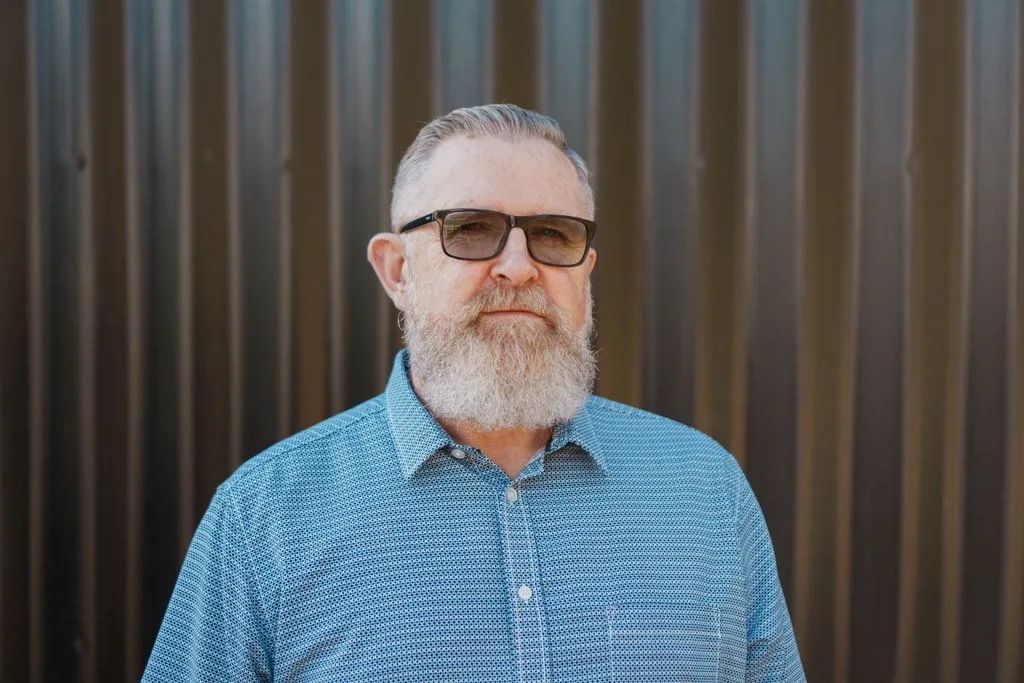
This article draws on insights aligned with the standards of Rehabs UK, including expert commentary from Director Lester Morse to explore the evidence, legality, risks, and ethical considerations of psychedelic-assisted addiction treatment in the UK.
Table of contents
- What is psychedelic-assisted therapy?
- Types of psychedelic treatments for addiction
- The risks of psychedelic therapy for addiction
- Practical & regulatory issues in the UK
- Long-term impact & recovery philosophy
- Get safe, effective addiction support from Rehabs UK
- Bibliography
- Related articles
What is psychedelic-assisted therapy?
Psychedelic-assisted therapy (PAT) refers to the clinical use of mind-altering substances in combination with psychological support.
A typical model includes:
- Screening and preparation
- A supervised dosing session
- Post-session “integration” therapy
The goal is not the drug itself, but the therapeutic processing of the experience.
There is a clear distinction between:
- Clinical environments: Regulated, medically supervised, and evidence-based
- Retreat or recreational settings: Often unregulated, inconsistent in safety, and lacking clinical oversight
Is psychedelic therapy legal in the UK?
In the UK, most psychedelics (including psilocybin and LSD) are classified as Class A drugs under the Misuse of Drugs Act 1971. This means they are illegal to possess or supply outside of trials and approved research settings.
Ketamine is a licensed medicine for addiction treatment, but it is tightly controlled. In 2013, the Advisory Council on the Misuse of Drugs (ACMD) considered the harms associated with ketamine and recommended reclassifying it from Class C to Class B (ACMD, 2013). As ketamine has legitimate medical uses, it was placed in Schedule 2 of the Misuse of Drugs Regulations 2001 (MDR).
According to the Royal College of Psychiatrists, psychedelic treatments should only be used within properly regulated clinical frameworks due to safety and ethical concerns.
Types of psychedelic treatments for addiction
Psilocybin
Psilocybin is a naturally occurring psychedelic compound found in mushrooms and has been studied for it’s benefits in treating nicotine and alcohol addiction. Research from Imperial College London suggests it may help disrupt entrenched behavioural patterns.
Pros and cons of psilocybin for addiction treatment
PROS
- There's ongoing research that leans towards it being successful for addiction treatments
- It is thought to be able to reduce habitual behaviours, which are a key motivator for addiction.
- Many participants have reported that using psilocyin has led them to have experiences where they can then confront underlying feelings such as anxiety, depression, or trauma, which often are root causes of addiction.
- Patients using psilocybin have reported an increase in engagement in therapy and wanting to make significant lifestyle changes.
CONS
It is not approved for clinical use in the UK
Access is limited to trials
- There is a risk of having ‘bad trips’ which can trigger paranoia, confusion, or fear. This may make the individual's situation worse
- It may not be suitable for everyone - it’s noted that those with certain mental health disorders, such as schizophrenia, may be at risk of negative effects
- The treatment requires trained therapists, a lot of preparation and aftercare - these resources are currently limited.
- The evidence is still emerging. The studies are small, although showing positive outcomes.
- It isn't an established treatment method yet, unlike other options such as CBT.
Ketamine-assisted therapy
Ketamine is increasingly explored for addiction and depression. Ketamine is a medication mainly used as an anaesthetic and, in some cases, as a treatment for severe depression under medical supervision. It can also be misused recreationally for its dissociative and hallucinogenic effects, which can be dangerous and addictive.
Pros and cons of ketamine-assisted therapy for addiction
PROS
- A study from Imperial College London suggests it may reduce cravings and improve mood regulation
- There's more evidence to suggest that ketamine helps with co-occurring disorders such as depression which, for some individuals, may indirectly help with addiction.
- Individuals may have a window after taking ketamine where they feel they might be more susceptible to therapy, behavioural change or trauma work.
- There has been a successful UK trial which found a combination of therapy and ketamine is safe and tolerable for severe alcohol disorders.
CONS
- The World Health Organisation notes that substance use treatments should always be delivered within comprehensive care frameworks, not in isolation. In other words, using ketamine for addiction treatment requires medical supervision
- Evidence is limited by small sample sizes and a lack of randomised trials.
- Ketamine is an addictive drug and there is potential for misuse, especially with those who already have substance abuse disorders.
- There are some physical risks with significant ketamine use such as bladder damage, tolerance, cognitive problems, dependence (as mentioned) and urinary tract complications.
Ayahuasca
Ayahuasca is a plant-based psychedelic traditionally used in indigenous ceremonies in South America. Ayahuasca retreats have started to grow in popularity outside of South America. Ayahuasca contains DMT and MAO-inhibiting harmala alkaloids. It continues to be explored when looking into addiction; however, this is the least established compared to other traditional treatments such as CBT, medication-assisted therapy and inpatient/outpatient rehab.
Pros and cons for ayahuasca as an addiction treatment
PROS
- A 2023 landscape analysis identified 298 unique psychedelic retreat organisations worldwide, with ayahuasca being the most common substance offered.
- For some people, it may signify a shift in identity. For example being a ‘better’ person or leaving the past behind if there has been struggles or difficulty in life before taking ayahuasca.
- In a 2023 review, it was noted that the evidence for the use of ayahuasca for depression and psychological wellbeing is positive; however, research is lacking for treating addiction specifically
CONS
- Retreats are largely unregulated and are not medical environments
- Screening and aftercare vary significantly. For those in recovery, this could lead to serious risks.
- In the UK, ayahuasca is illegal due to it containing DMT, which is a class A controlled drug.
- There are multiple physical side effects such as diarrhoea, vomiting, blood pressure changes, dizziness and raised heart rate. These are sometimes described as ‘purging’ but they carry significant risks.
- The MAO-inhibiting compounds in the drug can react to certain other substances in a dangerous way, such as stimulants, antidepressants, opioids and psychiatric medicines. It is noted that hypertensive crisis and serotonin syndrome are important concerns.
The risks of psychedelic therapy for addiction
The danger of self-medication
Attempting psychedelic therapy outside clinical settings can lead to:
- Unpredictable dosing
- Unsafe environments
- Lack of therapeutic support
This often results in limited benefit or psychological harm.
Mental health risks
Psychedelics may exacerbate conditions such as:
- Psychosis - The NCCIH mentions that psilocybin can cause paranoia, anxiety, hallucinations and persistent psychosis. A 2023 neuroscience review mentions that psychedelics can cause prolonged psychosis which links strongly to schizophrenia or bipolar.
- Bipolar disorder - In a review titled ‘Evaluating the risk of psilocybin for the treatment of bipolar depression’ there were 17 cases where manic episodes were linked to psychedelic use. Another clinical report titled ‘Considerations and cautions for the integration of psilocybin into routine clinical care’ highlights that psilocybin can trigger bipolar disorder or mania.
- The World Health Organization highlights that mental health treatments must be carefully matched to the individual, particularly where vulnerability exists.
Can psychedelic therapy cause relapse?
There is concern, mentioned by an article titled ‘Evolutionary perspectives on substance and behavioural addictions: Distinct and shared pathways to understanding, prediction and prevention’ that introducing psychoactive substances may:
- Trigger addictive behaviours
- Undermine abstinence-based recovery
- This is particularly relevant in unregulated environments such as retreats.
Practical & regulatory issues in the UK
Ethical concerns
When asked whether it is ethical to offer mind-altering substances to individuals with a history of addiction, Lester Morse reflected a broader consensus: “While research is promising, ethical concerns remain unresolved, particularly around vulnerability and informed consent”.
Will psychedelic therapy become available in the UK?
According to Lester Morse:
“With current mainstream services being heavily invested in harm reduction, I would say [it is] very likely… It will follow the same path as medical marijuana. We seem to be in a time of slowly legalising all drugs.”
This aligns with wider trends in UK drug policy and private healthcare innovation.
Will private clinics move faster than the NHS?
Morse highlights a key risk:
“That’s what’s happened with cannabis: people go to private doctors for faster diagnosis and prescriptions. The risk is that they get prescribed medication without the other support and therapy.”
This concern is supported by recent data from CQC report noting 13% increase in private cannabis prescriptions:
- A Care Quality Commission-linked report highlighted a 130% increase in private cannabis prescriptions.
- Freedom of Information data (2026) showed prescriptions rising from ~283,000 to over 659,000 in one year
There are many benefits of private clinics in terms of access to care for example,
- It’s a lot quicker and can skip the NHS waiting list
- You have access to more specialist care
- Treatment is often more tailored to the individual
- More options are readily available, such as a range of different therapies, medical treatments, or in-patient rehabs.
It is important to note that there are also limitations to private clinics, such as:
- Expense. It's not just the initial appointments, it's ongoing costs. This could be with treatment, therapy, or appointments going forward
- It is important to find a clinic with your best interests at heart and not just wanting to put the client into the most expensive option.
- There is no guarantee that recovery will be successful - each case is different
At the same time, the National Drug Treatment Monitoring System reported record numbers seeking help for cannabis misuse
Morse adds: “Even antidepressants are meant to be used with talking therapy, but the talking therapy rarely happens.”
This is something which has raised concerns in the UK and highlights a key systemic risk: treatment without adequate psychological support.
At Rehabs UK we offer a range of connected services that include therapy as well as in-patient and out-patient options. We work with a range of doctors who always tailor the treatment to the individual and offer both medication (if needed) and holistic or therapeutic options.
Is the UK’s medical workforce ready?
The Royal College of Psychiatrists states that training is the single most critical factor in the safe delivery of psychedelic therapy.
However, as of 2026:
- The UK lacks a fully trained workforce in this area
- Standards and accreditation pathways are still developing
Morse comments:
"At Rehabs UK, we see the value and importance of being fully trained and able to provide the best treatment and services. All professionals that we work with are held at the highest level for their expertise."
Long-term impact & recovery philosophy
Can psychedelic therapy work alongside abstinence-based recovery?
“If any medical intervention can help people become more receptive to engaging in recovery, then it’s a good thing… If it bridges a gap for some people, fantastic.”
Participants in studies often report that while 12-Step programs or abstinence-only methods kept them from using, psychedelic therapy provided the emotional and spiritual breakthrough necessary to maintain that abstinence.
Morse comments:
“The studies I have read seem too small and questionable. My professional instinct tells me to be very cautious, but having said that, I have often felt that prescribed medications would always be a part of addiction treatment; they just haven’t found the right drugs yet! So I am hopeful of anything that can help bridge the gap between addiction and recovery, but very sceptical overall.”
Is there a risk of a “quick fix” mindset?
Morse highlights a common issue in addiction recovery:
“You can get the wow factor with new treatments and change in mental states. Initially, the results are impressive and promising! We get a similar thing happen in rehab, taking people off drugs. Initially, the results are amazing, but it’s not a true picture. The person looks well, but they haven’t had the personality change necessary to move them away from the core problem.”
“The fantasy of taking a pill or medication to sort them out is very appealing; we call it the ‘easier, softer way’.”
He continues,"GPs often find themselves in a really difficult situation where [a patient's] access to that specialist will be 18 months or two years away,"
"They're forced into a position where they can either not prescribe that medication, and there's a potential harm there to the patient by being left untreated, or they can act outside of guidance and initiate that medication.
"There's no good choice for GPs in the system as it is at the moment."
A BBC investigation highlighted that the issue of long waits to access mental health support has been raised by the children's commissioner, with the most recent report highlighting how nearly 40,000 children are experiencing waits of at least two years.
This underscores a key message: there are no shortcuts in sustainable recovery.
“Recovery takes work and time… Organic recovery with some chemical support at the beginning is the road less travelled, but it works if you work it.”
Get safe, effective addiction support from Rehabs UK
While psychedelic-assisted therapy is an exciting area of research, it remains experimental, tightly regulated, and not widely accessible in the UK.
Established treatments, delivered through organisations like Rehabs UK, offer:
- Evidence-based care
- Structured therapy
- Long-term recovery planning and aftercare
If you or a loved one is struggling, seeking professional support is the safest step.
Contact Rehabs UK today to speak with a specialist and begin your recovery journey.
Bibliography
- Royal College of Psychiatrists – Psychedelic substances position statement (2025)
- World Health Organization – Depression and treatment guidance:
- Care Quality Commission / Cannabis prescribing concerns:
- National Drug Treatment Monitoring System – Adult substance misuse statistics 2024–2025:
Related articles
About Jess Pennell
Jess Pennell is a communications and content creator for Rehabs UK with a background in journalism, with experience including an internship with The Times and a BA (Hons) in Journalism. Since joining East Coast Recovery in 2021, which has now transitioned into Rehabs UK, she has worked closely with professionals and those in recovery to research, write and communicate awareness on addiction and its impacts. Her work helps to ensure accurate information is accessible to those seeking support.
About Lester Morse
Lester Morse is a neurolinguistic programmer, recovery mentor and coach. With over 30 years of lived experience of addiction and recovery he has supported individuals and families affected by addiction. His career includes frontline outreach, managing homeless and sober living houses as well as working within the criminal justice system. In 2008 he opened residential rehab East Coast Recovery, where he developed the successful Altered Attitudes treatment programme. He now leads Rehabs UK, a trusted independent treatment connector that helps families access addiction treatment and support.