Diazepam, commonly known as Valium, is a benzodiazepine, a group of prescription medicines that have a sedative effect and are often used to treat anxiety, depression and insomnia. The body builds up a tolerance to Diazepam very quickly, which is one of the main reasons it is so addictive. Once a tolerance has built up, users require a higher dosage to achieve the same sedative effect.
Diazepam addiction can very quickly develop in people who are prescribed the drug by their doctor, so it is unusual to have a prescription for more than four weeks. Longer-term use of diazepam causes dependence as the person’s body relies on the chemical effects it has on the brain and its neurotransmitters.
Why is Diazepam Addictive?
When someone stops taking diazepam, their anxiety may return more intensely than before, a phenomenon known as rebound anxiety. This can drive the user to take the drug again, perpetuating the cycle of dependence. It also has a long half-life, meaning it stays in the body for an extended period. This can prolong withdrawal symptoms and cravings, making it harder to quit and contributing to the drug's addictive potential.
Want to know what treatments are available for Diazepam addiction? Contact a Treatment Advisor for a free assessment.

The body builds up a tolerance of diazepam very quickly, which is one of the main reasons it is so addictive. Once a tolerance has built up, users require a higher dosage to achieve the same sedative effect.
Diazepam addiction can very quickly develop in people who are prescribed the drug by their doctor, so it is unusual to have a prescription for more than four weeks. Longer-term use of diazepam causes dependence as the person’s body relies on the chemical effects it has on the brain and its neurotransmitters.
Use of diazepam very quickly leads to tolerance, which makes it more likely that an individual will develop an addiction as they need to take more diazepam to achieve the same results.
A history of substance abuse is also more likely to lead someone to become addicted. As diazepam is used by people with anxiety, depression or stress, suffering from those disorders is more likely to lead to an addiction. Rather than producing a ‘high’, people taking diazepam for stress or anxiety rely on the drug just to make them feel normal or to help them sleep.
As diazepam is a prescription drug, many people underestimate its strength and addictive qualities. The below physical and behavioural signs suggest a diazepam addiction.
Physical Symptoms:
- Dizziness and nausea
- Constipation
- Headaches
- Low blood pressure
- Slurred speech
- Blurred vision
- Tremors
- Difficulty urinating
- Incontinence
- Restlessness
- Insomnia
- Muscle cramps
- Excessive sweating
- Hallucinations
- Slowed breathing
- Impaired motor skills
Behavioural Symptoms
- Confusion
- Depression
- Irritability
- Sever anxiety
- Panic
Diazepam abuse – and indeed drug abuse of any kind – is different to diazepam addiction. Addiction means the user has a strong urge to take diazepam, regardless of the consequences. However, drug abuse is often the first step on the road to addiction.
Many people abuse diazepam without realising it. Even though it is prescribed by a doctor, taking a larger dose of a prescription medication than is advised by a doctor is abuse. Many people do this automatically if they notice they are not getting the same level of relief from diazepam that they did at first. Increasing your dose of diazepam can lead to tolerance and dependence, and diazepam abuse can lead to addiction.
If diazepam is starting to interfere with daily life and is making it difficult to handle usual responsibilities at work and at home, you may have a problem. Continuing to use diazepam despite being aware of the harm it is causing signifies an addiction.
Diazepam addiction can negatively affect all aspects of your life, from your relationships and professional work to your physical and mental health. You may even have a combination of a mental health disorder and a Diazepam abuse disorder known as Dual Diagnosis.
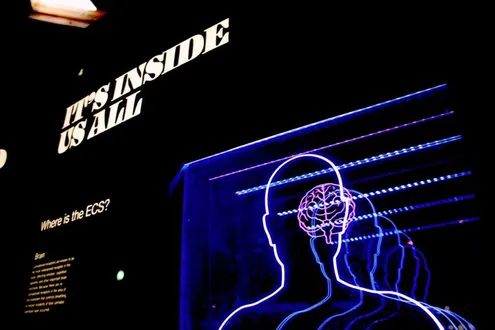
Diazepam has a big impact on the brain because it affects its main inhibitory neurotransmitter – it literally inhibits brain activity, causing surges in dopamine which in turn causes cravings to replicate this pleasurable feeling. Some studies even suggest long-term use of diazepam causes brain shrinkage.
Due to these changes in the brain, addiction to diazepam can cause changes in behaviour and can affect mental health. Users may experience memory loss, depression, nerve damage, develop insomnia and increase their risk of developing conditions such as Alzheimer’s if they are long term user of Diazepam.
It is easy to become addicted to diazepam due to how quickly the body develops a tolerance for the drug. If you find you require larger doses to feel the effects or recognise any of the above signs or symptoms, then it’s time to seek help. If diazepam is damaging your relationships, work, financial situation, or physical and mental health, you can get help to stop. If you are experiencing strong cravings for diazepam, have lost interest in hobbies and responsibilities, and continue to use diazepam despite these negative results, you have developed an addiction and there are treatments that can help you get back on track.
Speak to a Treatment Advisor to find out what Treatments and Therapies for Diazepam Addiction are available.
Diazepam addicts may experience withdrawal symptoms such as depression, irritability, restlessness and insomnia, confusion, muscle tension and cramps, headaches, excessive sweating, tremors, anxiety and panic.
Detox is the first treatment stage for diazepam addiction, which is best done in a rehabilitation environment to safely manage the withdrawal symptoms and increase the chances of success.
Therapy – such as Cognitive Behavioural Therapy (CBT) and Group Therapy – is often the next stage of treating diazepam addiction to identify the underlying cause of reliance on the drug, for example stress and anxiety.
With the correct treatment, recovering from diazepam addiction is possible and seeking the right support is the best way to ensure success.